



Sale!
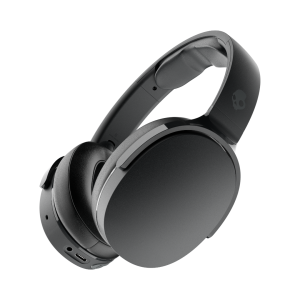
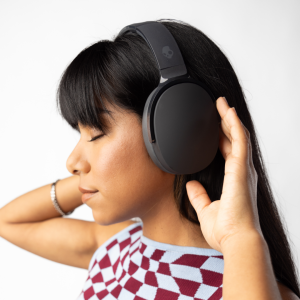
Hesh Evo
Original price was: $104.99.$16.50Current price is: $16.50.
Sale!
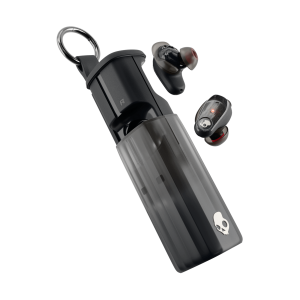
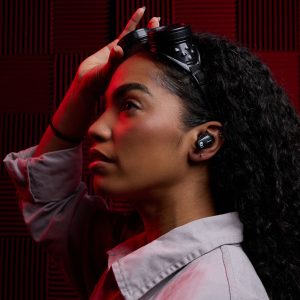
Explore-Best Sellers
Original price was: $129.99.$30.00Current price is: $30.00.
Sale!
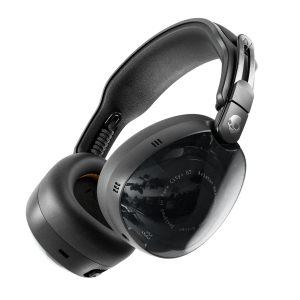

AVIATOR900ANC
Original price was: $299.99.$60.00Current price is: $60.00.
COLLECTIONS



WHAT’S NEW


WHAT YOU’RE SAYING




JOIN THE COMMUNITY
Follow us on social media and show us how you #skullcandy


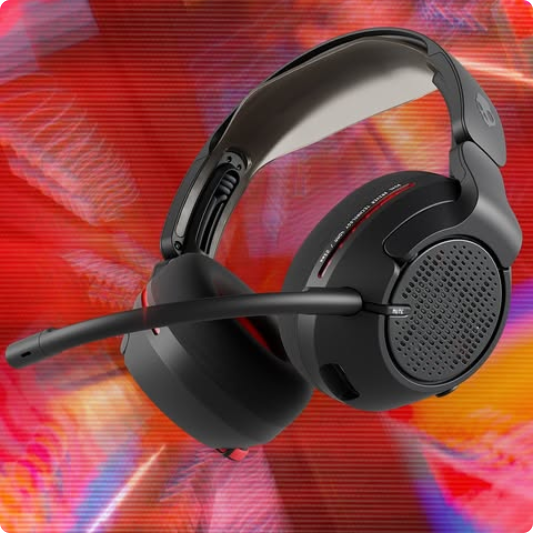
Explore skulilcandys Blogs and Reviews.
Welcome! The blog posts displayed on this website are based on personal experience. Please note that we are an informational website that provides detailed information about similar products. We are not affiliated with or sponsored by skulilcandys
Disclaimer: Our work is based on personal experience with the products and blog content. Not official skulilcandys merchandise.
The Ultimate Headphone Buyer’s Guide: A Deep Dive into Technology, Sound, and Style
In a world where sound is a constant companion, a good pair of headphones is more than just an accessory—it’s a gateway to another reality. They are the essential tool that lets us escape into our favorite music, get lost in a podcast, or find focus in a noisy world. But with a market saturated with options, from tiny earbuds to massive over-ear cans, navigating the choices can feel like a daunting task. The technical jargon—from ohms to decibels and from active noise cancellation to planar magnetic drivers—can be overwhelming.
This comprehensive guide is designed to demystify the world of headphones. We’ll take you on a journey from the core components that create sound to the different technologies that shape your listening experience. Whether you’re a casual listener, a seasoned audiophile, a gamer, or a professional, this is your definitive roadmap to understanding what truly matters when it comes to headphones. By the end of this guide, you won’t just know what to buy; you’ll understand why you’re buying it.
The History of Listening: From Telephone Operators to Wireless Freedom
Before we dive into the present, it’s worth a moment to appreciate the past. The first headphones were not for music but for communication. In the late 19th century, they were used by telephone operators who had to wear a single earpiece on one shoulder. The first stereo headphones as we know them today were invented in the early 20th century by Nathaniel Baldwin, who created them in his kitchen. The technology was initially adopted by the U.S. Navy. It wasn’t until the 1950s that headphones began to be marketed to consumers for personal music listening, a revolution started by the iconic brand, Sennheiser.
The evolution from bulky wired devices to the sleek wireless earbuds we use today is a story of continuous innovation. The introduction of the Walkman in the 1980s made headphones a symbol of personal freedom, allowing people to take their music with them everywhere. The shift to digital music in the 2000s and the subsequent rise of smartphones led to the demand for portable, high-quality audio. Today, technologies like Bluetooth, Active Noise Cancellation (ANC), and advanced audio codecs have made wireless listening not only convenient but also superior in many ways.
Decoding the Types of Headphones: Find Your Fit
The first major decision you’ll face is choosing the right type of headphone for your lifestyle. Each design offers a different balance of sound quality, comfort, and portability.
1. Over-Ear Headphones: These are the large headphones that fully enclose your ears. They are often the best choice for sound quality because their larger drivers can produce a wider range of frequencies and a more expansive soundstage. The earpads provide a natural physical barrier, or passive noise cancellation, which helps to block out ambient sound. They are ideal for home listening, studio work, or anyone who prioritizes audio quality above all else. However, they are the least portable and can be warm to wear for extended periods.
2. On-Ear Headphones: As the name suggests, these rest on top of your ears rather than enclosing them. They are a good middle ground, offering better sound quality than earbuds while being more portable than over-ear models. They are generally more comfortable for those who don’t like the full coverage of over-ear headphones, but they provide less passive noise isolation and can become uncomfortable after long listening sessions due to pressure on the ears.
3. In-Ear Headphones (Earbuds): These small, lightweight headphones are the most popular for on-the-go use. They come in two main types: traditional earbuds that sit in the outer part of the ear and canalphones that use a soft tip to create a seal inside the ear canal. Canalphones are superior for sound quality and noise isolation. Their small size makes them incredibly convenient for commuters and gym-goers, but they can be a poor fit for some and may cause ear fatigue.
4. True Wireless Earbuds: This is the latest and most popular category. These earbuds have no wires whatsoever, not even a wire connecting them to each other. They come in a compact charging case that powers them up on the go. True wireless earbuds offer the ultimate freedom and convenience, and many models now include features like ANC and high-quality audio codecs that were once reserved for larger headphones.
The Technical Specs: What Do They Mean?
Understanding a few key technical terms can help you make a much more informed decision. Don’t worry, we’ll keep it simple.
1. Drivers: These are the small speakers inside your headphones that convert electrical signals into sound. The size of the driver often impacts sound quality—larger drivers, typically found in over-ear headphones, can move more air and produce a more powerful bass response and a wider dynamic range.
2. Frequency Response: This measures the range of frequencies the headphone can reproduce, typically expressed in Hertz (Hz). The standard human hearing range is from 20 Hz (deep bass) to 20,000 Hz (high treble). A wider frequency response range on a spec sheet can indicate a headphone’s capability to reproduce more nuanced audio, though it’s not the only indicator of quality.
3. Impedance (Ohms): This is a measure of the electrical resistance. Low-impedance headphones (under 50 ohms) are easier to power and work well with smartphones and other portable devices. High-impedance headphones (over 50 ohms) require more power to reach their full potential, which means they often need a dedicated headphone amplifier to sound their best. These are typically for audiophiles and studio professionals.
4. Sensitivity (dB): This measures how efficiently a headphone converts power into sound. A higher sensitivity rating means the headphone will get louder with less power, making it a good choice for mobile devices.
Crucial Features to Consider: Beyond the Basics
Today’s headphones are packed with features that can completely change your listening experience. It’s important to know which ones matter most to you.
1. Active Noise Cancellation (ANC): This is a game-changer for commuters, travelers, and anyone working in a noisy environment. ANC uses microphones to detect ambient noise and then produces a counteracting sound wave to cancel it out. It’s incredibly effective at blocking low-frequency sounds like airplane engines or city traffic.
2. Bluetooth and Wireless Connectivity: The shift to wireless has been a major trend. Look for headphones with the latest Bluetooth version for a more stable connection and better energy efficiency. Audio codecs like aptX, LDAC, and AAC are also important. These are the “languages” that allow your device and headphones to compress and decompress audio wirelessly. A higher-quality codec will result in a better-sounding wireless signal.
3. Battery Life: This is a crucial metric for wireless headphones. A long battery life means less time charging and more time listening. Many true wireless earbuds now offer between 5-10 hours on a single charge, with the case providing multiple recharges.
4. Microphone Quality: If you plan to take calls or use a voice assistant, the quality of the built-in microphone is vital. Look for models with noise-reduction technology that ensures your voice is clear even in a noisy environment.
5. Comfort and Fit: This is perhaps the most personal and important factor. Earpad materials, headband tension, and earbud tip size can all affect long-term comfort. If possible, try on different models to see how they feel.
Sound Signatures: Understanding How They Sound
Headphones don’t all sound the same. The way a manufacturer tunes a headphone is called its sound signature. This is the unique profile of how it reproduces different frequencies.
Neutral/Flat: A neutral sound signature reproduces music as the artist and sound engineer intended. The bass, mids, and treble are all balanced. This is often preferred by audiophiles and professionals for critical listening.
Bass-Heavy: These headphones emphasize the low-end frequencies, making the bass sound more powerful and punchy. They are popular for genres like hip-hop, EDM, and pop.
V-Shaped: This signature boosts both the bass and the treble while recessing the mid-range. It creates an exciting, energetic sound that can make vocals and instruments feel a bit distant.
Warm: A warm sound signature emphasizes the low-mids and bass, creating a rich, smooth, and full-bodied sound. It’s often described as a more “musical” or “relaxed” signature.
Bright: A bright sound signature emphasizes the high-mids and treble, making the sound feel airy, crisp, and detailed. It can be great for revealing subtle details in music but can also be fatiguing for some listeners.
The Final Word: Finding Your Perfect Pair
Choosing the right headphones is a journey of self-discovery. It’s about more than just checking boxes on a spec sheet; it’s about finding a pair that fits your life, your style, and, most importantly, your ears. Start by identifying your primary use case—are they for commuting, the gym, or serious listening at home? Then, narrow down your choices by type and prioritize the features that matter most to you.
The world of headphones is constantly evolving, with new technologies and designs appearing every day. But by understanding the fundamentals of how they work and what to look for, you are now equipped to navigate this world with confidence. Your perfect audio experience is waiting for you.